
Give the wider Mara its own geography
Distinguish the national reserve, named conservancies and a particular river view when reading Kenyan migration context.
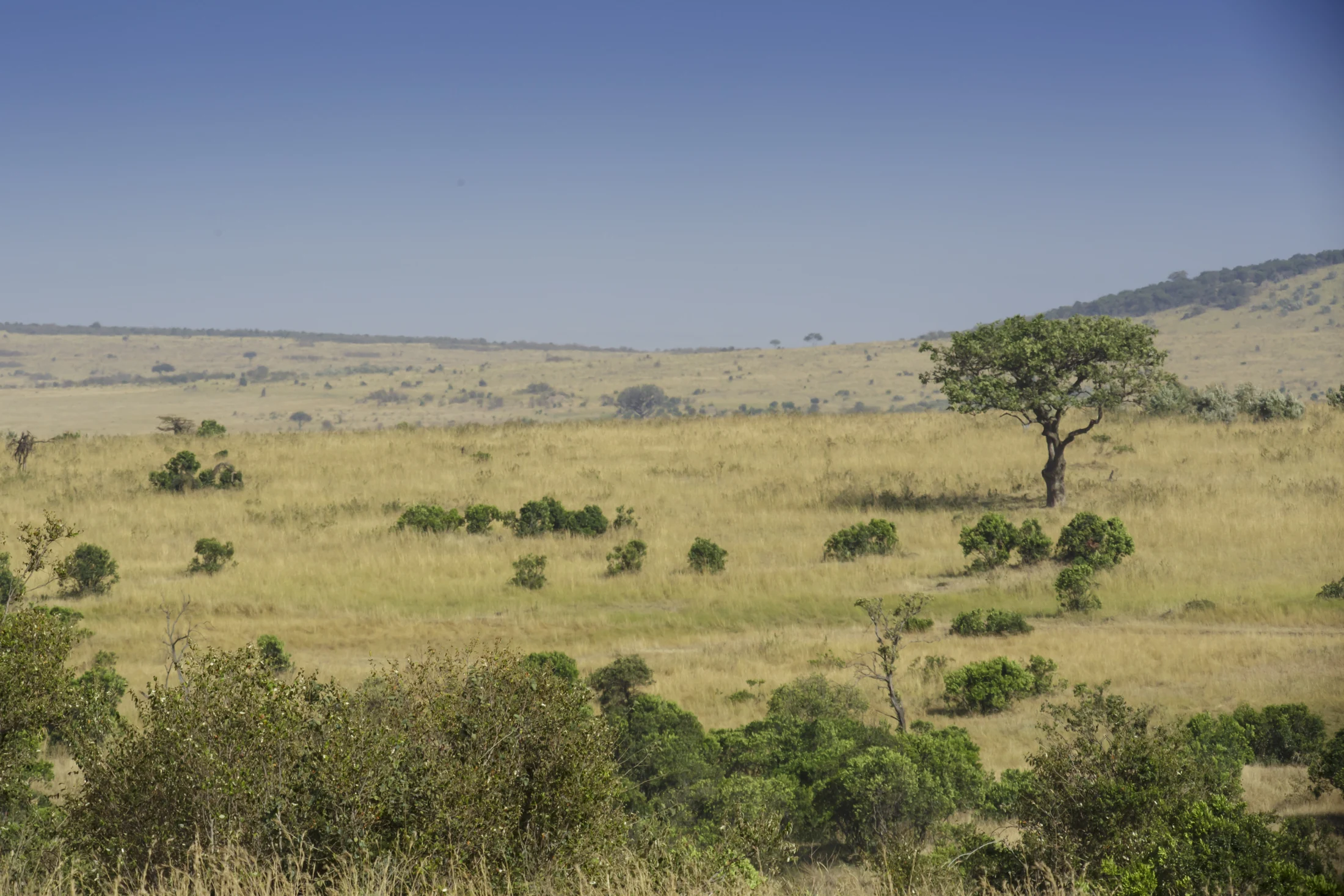
“The Mara” is often used as if it described one viewing area with one set of arrangements. A useful itinerary needs more precision. Maasai Mara National Reserve and a named conservancy are different geographic and management references. Start by finding the actual place named in the proposal, then ask what your arrangement includes there.
Let the caption carry the location
The open landscape photograph in this guide identifies Maasai Mara National Reserve. The river photograph identifies Karen Blixen Camp in Mara North Conservancy. Presenting them together gives broader context; it does not suggest that the images were taken at the same place or that one booking covers both settings.

Balloon Safari & Bush Breakfast in Serengeti - Miracle Experience
Miracle Experience is a premier eco-luxury Hot Air Balloon Safari company based in Tanzania. Our incredible safaris over the Serengeti and Tarangire N...

Serengeti Balloon Safari and authentic bush breakfast
Some things are worth getting up early for and this is certainly one of them. The wonderful experience of a hot-air...

Materuni Waterfalls, coffee tour & Kikuletwa Hot Springs
A comprehensive trip, combining hiking, coffee learn, local brewers & a refreshing dip at the hot springs Great cha...

3 Days Serengeti & Ngorongoro Group Camping Safari
On this 3-day camping safari, you will be well looked after and see some of the best that Tanzania has to offer. You...
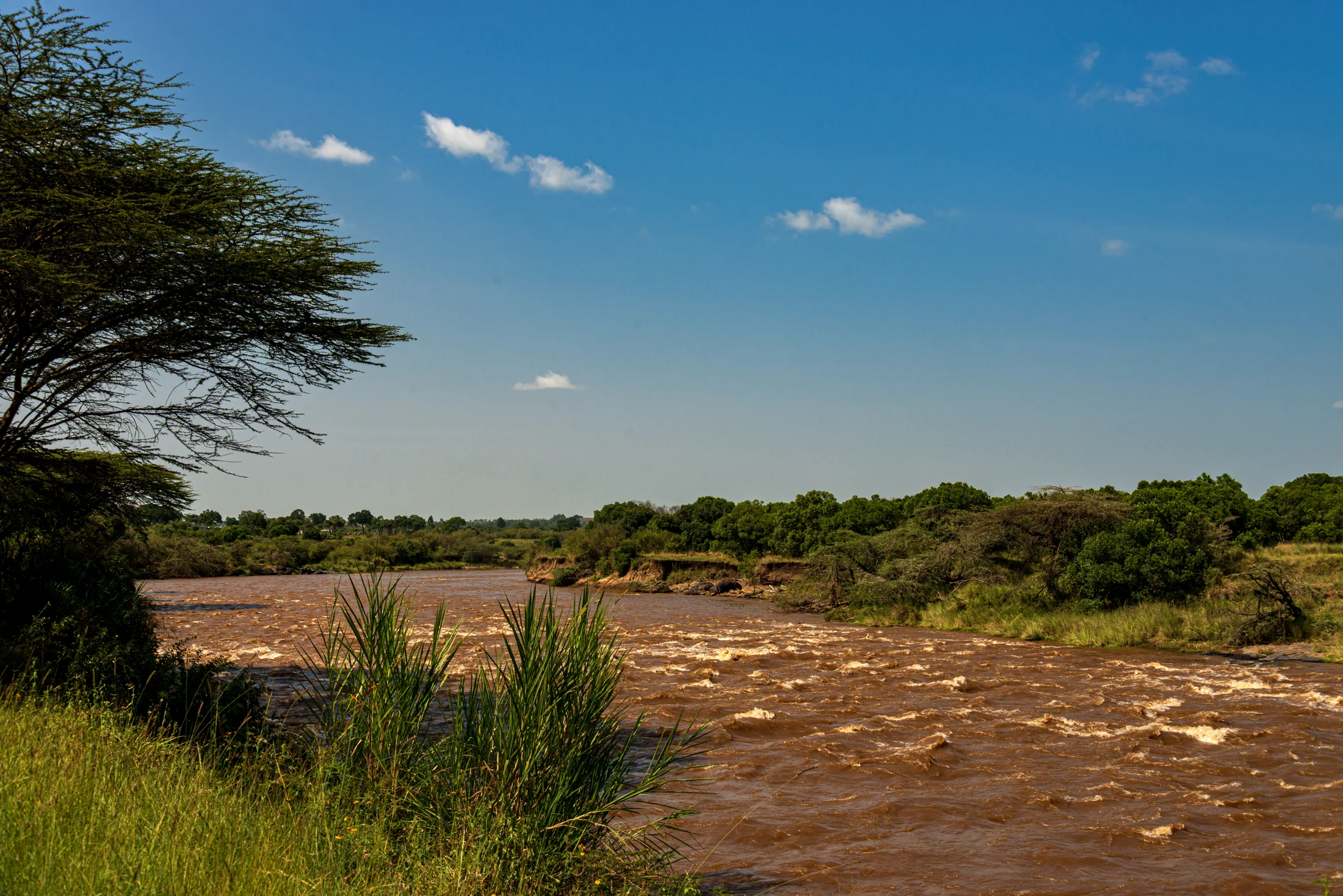

A river view is also more than a stage for a crossing. Banks, trees, water and the adjoining land are visible subjects in their own right. The image’s date should remain part of its description. It cannot establish present river conditions or the location of a herd.
Read the conservancy name in full
The Maasai Mara Wildlife Conservancies Association’s 2025 newsletter describes an ecosystem map that distinguishes individual conservancies and stages of development. Its account is a useful reminder that the wider landscape contains different places and arrangements. Read the dated institutional report.
When comparing a visit, keep the named conservancy, accommodation and viewing area separate in your notes. If the proposal uses only a broad regional name, ask for the specific location. Do not assume that a photograph supplies information omitted from the itinerary.
Compare the actual journey
Make a short record of where the journey starts, where it ends and which places are included along the way. Ask the provider to explain transfers and the relationship between accommodation and observation areas. This is more useful than measuring a trip by how many regional names appear in its title.
A Kenya–Tanzania combination introduces a further distinction: ecological continuity does not itself establish visitor access across a national border. The provider should explain its actual travel arrangements and the authorities responsible for entry. A migration-themed listing is not evidence of permission or a direct connection between two viewing areas.
Leave room for other subjects
The wider Mara also supports stories about local work, land and wildlife beyond the migrating herds. A separately captioned photograph from Naboisho Conservancy can introduce another ecological subject without being presented as part of the national reserve. Keep that habit of precise naming throughout your planning.

4h Quad Adventures in Zanzibar: Nungwi / Kendwa Transfer inclus
The price for this activity applies to a maximum of 2 people per Quad. Whether you book for one or two people, the price remains the same. immerse yo...

Stone Town Private Walking Tour
It's fascinating to explore historic Stone Town - a UNESCO World Heritage Site - but it's easy to lose your way in t...

Affordable and Reliable Taxi Services in Zanzibar Island
Our services are reliable and affordable, our drivers are very friendly and they are willing to provide extra help t...

Mnemba Island snorkeling and Swimming with Dolphin
Increase your chances of spotting some of Tanzania’s rarest marine life during a snorkeling tour that takes you to...
Use the local-work guide for published community context and the comparison guide for practical questions. When a listing’s place name is unclear, resolve it before treating the offer as a match for your interests.