
Read the work behind the landscape
Use attributed published accounts to understand research, local livelihoods and conservation work without turning people into scenery.
A migration journey takes place in a region where people live, work, study and make decisions. Wildlife photographs do not explain those lives on their own. To understand more, seek accounts with a named author or institution, a publication date and a clear account of what is being described.
Start with the original account
Frankfurt Zoological Society’s published Community Conservation Banks page describes savings groups around the Serengeti ecosystem and local businesses such as beekeeping, poultry and tree planting. Its numerical snapshot is dated April2023. Read it as an account of a programme at a stated time, rather than a promise about what any visitor can arrange.

Balloon Safari & Bush Breakfast in Serengeti - Miracle Experience
Miracle Experience is a premier eco-luxury Hot Air Balloon Safari company based in Tanzania. Our incredible safaris over the Serengeti and Tarangire N...

Serengeti Balloon Safari and authentic bush breakfast
Some things are worth getting up early for and this is certainly one of them. The wonderful experience of a hot-air...

Materuni Waterfalls, coffee tour & Kikuletwa Hot Springs
A comprehensive trip, combining hiking, coffee learn, local brewers & a refreshing dip at the hot springs Great cha...

3 Days Serengeti & Ngorongoro Group Camping Safari
On this 3-day camping safari, you will be well looked after and see some of the best that Tanzania has to offer. You...
The account puts everyday economic work alongside conservation. That is a broader perspective than a safari photograph can supply. Read FZS’s programme description for its own explanation, and keep the institution’s claims distinct from your personal observations.
Respect authorship and purpose
A published statement, research paper and programme report serve different purposes. A scientist may be explaining a model. A community organisation may be describing its work and priorities. A tourism provider may be explaining a service. Naming the source helps you understand what kind of evidence you are reading.
Do not treat a person mentioned in a source as a representative of every community or as a contributor to this guide. Attribution should make the relationship clear without inventing an interview, endorsement or partnership. A link gives you a route back to the original account, where its context belongs.
Ask how a proposed visit is arranged
If an itinerary includes a community, craft or food experience, ask who leads it and how participation is agreed. Find out what the host wants visitors to understand, whether photography is welcome, and what the proposed service actually includes. An experience description should give people an active role in explaining their own work.
The same care applies to conservation-related visits. A programme being described publicly does not mean it is open to visitors or that a commercial tour supports it. Ask for a specific explanation of any claimed relationship and read the named organisation’s own material.
Keep contemporary work visible
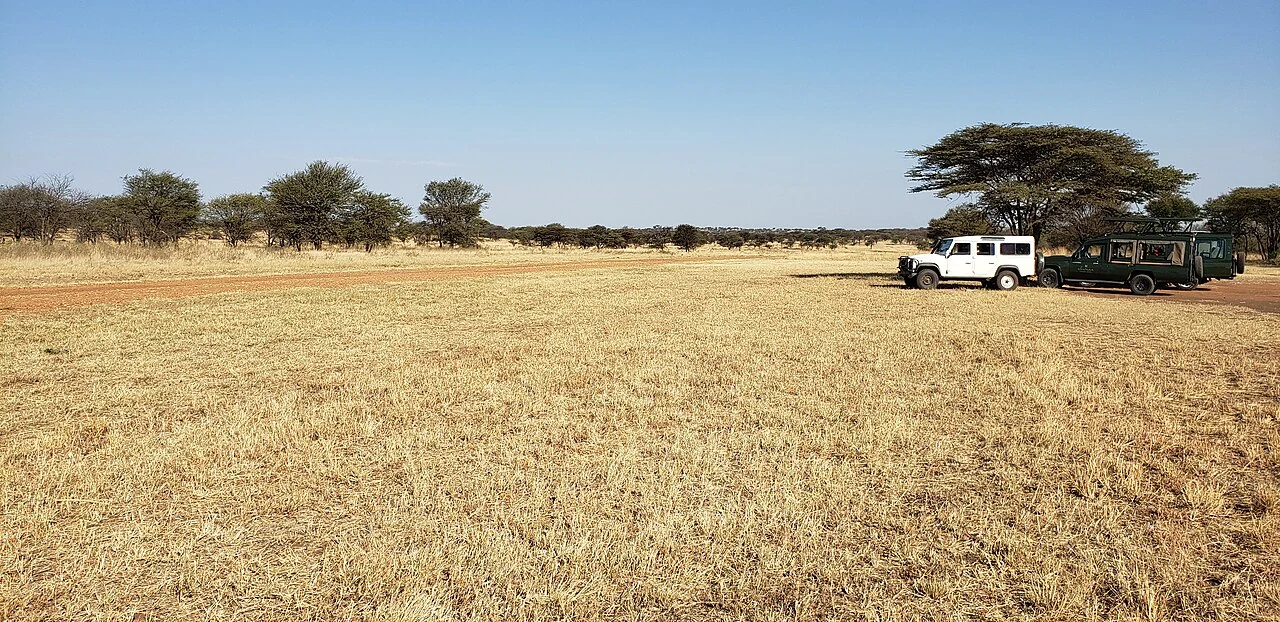
Vehicle preparation, guiding, research, accommodation work and local enterprise all belong to the present. They should not be framed as a timeless backdrop to the wildlife. The dated Lobo airstrip photograph provides a modest record of transport infrastructure; it is not a picture of this guide’s vehicles or an advertised departure.
For Kenyan context, the MMWCA’s 2025 newsletter includes accounts of governance, women’s participation and ranger work. Read these alongside landscape descriptions, with their date and authorship intact.

4h Quad Adventures in Zanzibar: Nungwi / Kendwa Transfer inclus
The price for this activity applies to a maximum of 2 people per Quad. Whether you book for one or two people, the price remains the same. immerse yo...

Stone Town Private Walking Tour
It's fascinating to explore historic Stone Town - a UNESCO World Heritage Site - but it's easy to lose your way in t...

Affordable and Reliable Taxi Services in Zanzibar Island
Our services are reliable and affordable, our drivers are very friendly and they are willing to provide extra help t...

Mnemba Island snorkeling and Swimming with Dolphin
Increase your chances of spotting some of Tanzania’s rarest marine life during a snorkeling tour that takes you to...
Return to Guides to connect these perspectives with ecology and geography. A more informed journey begins with clearer questions, respect for the people answering them and realistic expectations about the service being offered.