
Read more than the herd in the Serengeti
Give grassland, trees, water and small wildlife a clear role in the way you look at the Serengeti.
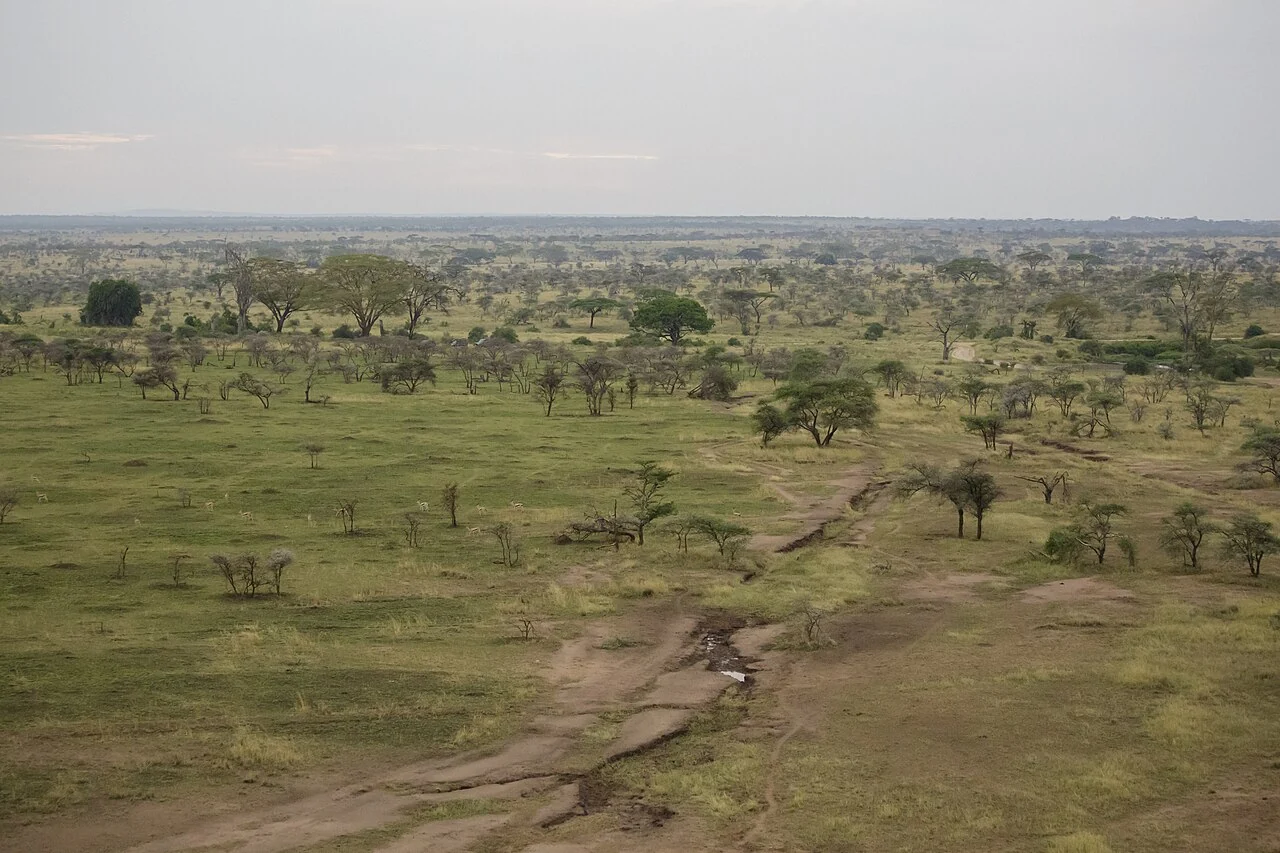
A wide view of the Serengeti can seem simple at first: grass, sky and animals. Look again and the scene becomes more particular. Tree cover changes the edge of the view. A watercourse interrupts the ground. The apparent emptiness between animals becomes part of the subject rather than space waiting for something dramatic to happen.
Name the setting before describing it
Use the most precise location supported by the source. Serengeti National Park is a meaningful name, but it does not make every image a record of the same viewing area. If a photograph only identifies the park, keep that limit visible. Do not add a campsite, river or route from its general appearance.

Balloon Safari & Bush Breakfast in Serengeti - Miracle Experience
Miracle Experience is a premier eco-luxury Hot Air Balloon Safari company based in Tanzania. Our incredible safaris over the Serengeti and Tarangire N...

Serengeti Balloon Safari and authentic bush breakfast
Some things are worth getting up early for and this is certainly one of them. The wonderful experience of a hot-air...

Materuni Waterfalls, coffee tour & Kikuletwa Hot Springs
A comprehensive trip, combining hiking, coffee learn, local brewers & a refreshing dip at the hot springs Great cha...

3 Days Serengeti & Ngorongoro Group Camping Safari
On this 3-day camping safari, you will be well looked after and see some of the best that Tanzania has to offer. You...
TANAPA’s published Serengeti brochure describes a landscape that includes plains, hills and kopjes. Those are useful starting points for observation. The linked edition is marked 2019/1, so its operational details and tariffs should not be treated as current. Read the park’s landscape context.
Use more than one scale
Try describing a scene in three parts: what is close, what occupies the middle distance, and what marks the far edge. This simple exercise changes the questions you ask. A tree may be the nearest subject in one frame and a small part of a broad habitat in another. Neither image needs to be turned into a location prediction.
.jpg)
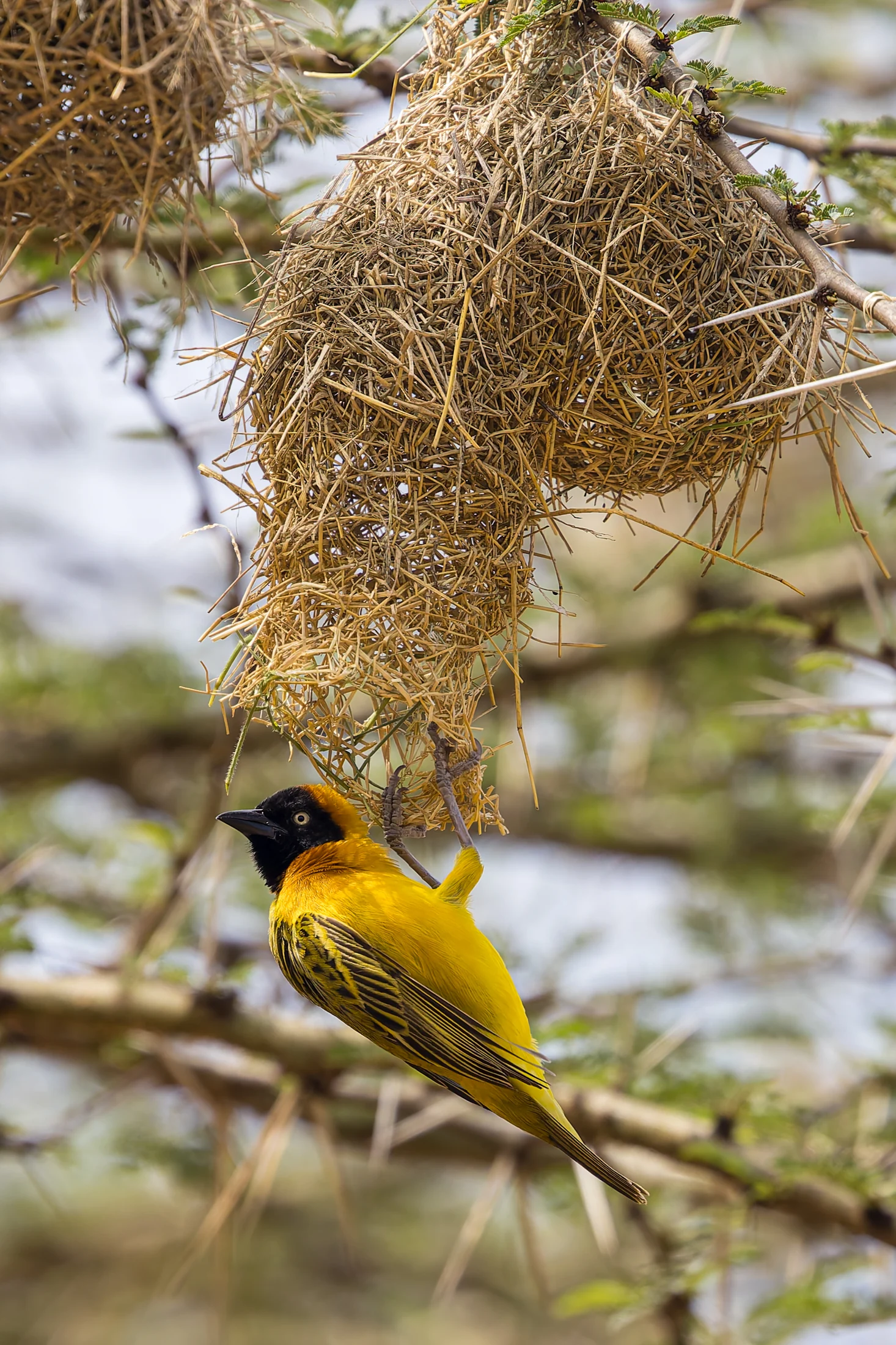
A bird beside its nest offers a different scale of attention from a herd seen from above. The photograph here is a separately dated Serengeti record. It is included for that ecological contrast, not as an assurance that the same subject will be visible during a booked visit.
Read the weather as recorded context
Light and vegetation can make two photographs of the same broad region look very different. Keep the recorded date attached to each image, and resist using its colors as a universal description of a month. A photograph is evidence of its own scene; a general seasonal claim needs a different kind of support.
Ask a guide to explain the conditions in front of you. Clear distinctions between an observation, an interpretation and a possibility make the conversation more useful. They also make room for uncertainty without reducing your interest in the place.
Choose an arrangement that leaves time to look
Before selecting a trip, compare its named stops and transitions. Consider whether the programme gives the subjects you care about enough attention, rather than simply collecting location names. Photography, patient observation and broad sightseeing can place different demands on the day.

4h Quad Adventures in Zanzibar: Nungwi / Kendwa Transfer inclus
The price for this activity applies to a maximum of 2 people per Quad. Whether you book for one or two people, the price remains the same. immerse yo...

Stone Town Private Walking Tour
It's fascinating to explore historic Stone Town - a UNESCO World Heritage Site - but it's easy to lose your way in t...

Affordable and Reliable Taxi Services in Zanzibar Island
Our services are reliable and affordable, our drivers are very friendly and they are willing to provide extra help t...

Mnemba Island snorkeling and Swimming with Dolphin
Increase your chances of spotting some of Tanzania’s rarest marine life during a snorkeling tour that takes you to...
Keep your questions concrete: the starting point, guiding, vehicle arrangements, included areas and alternatives when conditions change. Read the safari comparison guide and the migration explanation together. One addresses the service you may buy; the other helps you interpret a changing living landscape.